动物搏击会又回来了,第二季的六集节目给你动物界最巨大、最厉害且常是令人惊讶的打手的拳击别战斗。从熊和金雕,到老虎、犀牛,甚至是卑微的尖鼠,参赛者来自世界各地。动物搏击会给你终极格斗大赛的精彩热血内容,解析战术背后的技巧以及人类冠军选手不会也无法拥有的身体武器。你将看到动物们毫无保留地拼斗,在这里,什么都有可能发生。
卡妮和马特在约会软件上认识,他俩当时谁也不知道新冠肺炎会把二人一时兴起的哥斯达黎加之旅变成一场历时数月的冒险。
日出之食,百千滋味。表象口腹之欲,实则心智之养。美食纪录片《无饭不起早》,走遍全国,跨越南北,聚焦各地特色早餐,讲述市井街边的早餐故事,洞见方寸餐桌上的生活哲学。早餐,汇聚了无数的情感因素:历史、当下、故乡、远方。美味与坚守徜徉在油盐酱醋之中,情怀与思念凝聚在锅碗瓢盆之间。12月11日起每周三上午10:00爱奇艺全网独播。
漫游火星(Roving Mars)是由迪斯尼和Sassoon Film Design共同合作推出的作品,内容就是纪录2004年美国太空总署『精神号』(Spirit)以及『机会号』(Opportunity)两辆人造探测车在火星上的种种发现。当初『精神号』和『机会号』是在2004年1月上旬和下旬先后登陆火星,分别在星表面的两端登陆,两辆探测车登陆后立刻在火星的表面展开漫游探勘,并将所发现的图片传回地球。借着这次全球瞩目的火星任务,太空学家希望能揭开火星神秘的面纱,深入探讨火星的奥妙,以及引起众人揣测的火星上生命之谜。
《水下中国》是中国首部大型水下生态系列纪录片,它以独特的水下视角展现了中国的自然和人文。出品方为北京泡泡海洋文化有限公司和中国太平洋学会影视分会。 《水下中国》作为中国首部大型水下生态系列纪录片,它将以独特的水下视角展现了中国的自然和人文,探索和揭秘一个不为人知中国水下世界,并中国水下生物、自然生态、人文故事和历史文化进行发掘和展示。 纪录片第一季共六集,采取网台联播,与爱奇艺和SUBCREW联合出品,并由来自中国、美国、法国的纪录片团队进行联合摄制。
加比·佩蒂托生前最后几天遭遇了什么?在这部扣人心弦的真实犯罪剧集中,她的亲朋好友揭露了这桩谋杀惨案背后不为人知的故事。
第一集:高速上嚣张的轿车窃贼 第二集:河沟女尸 第三集:黑车网络覆灭记 第四集:家中连遭横祸 到底什么原因 第五集:小城惊现“骇客帝国” 第六集:昏灯血影 第七集:全程缉拿黄金大盗 第八集:深井下的秘密 第九集:劫中劫 第十集:飞摩连环抢劫案 第十一集:市区现持枪歹徒警方紧急围捕 第十二集:女店员半夜被残忍杀害
美国史密森尼历史频道制作的纪录片,讲述2014年美国电影《狂怒》中的坦克以及其拍摄,是科普向的一部短片,推荐军迷和影片影迷观看。
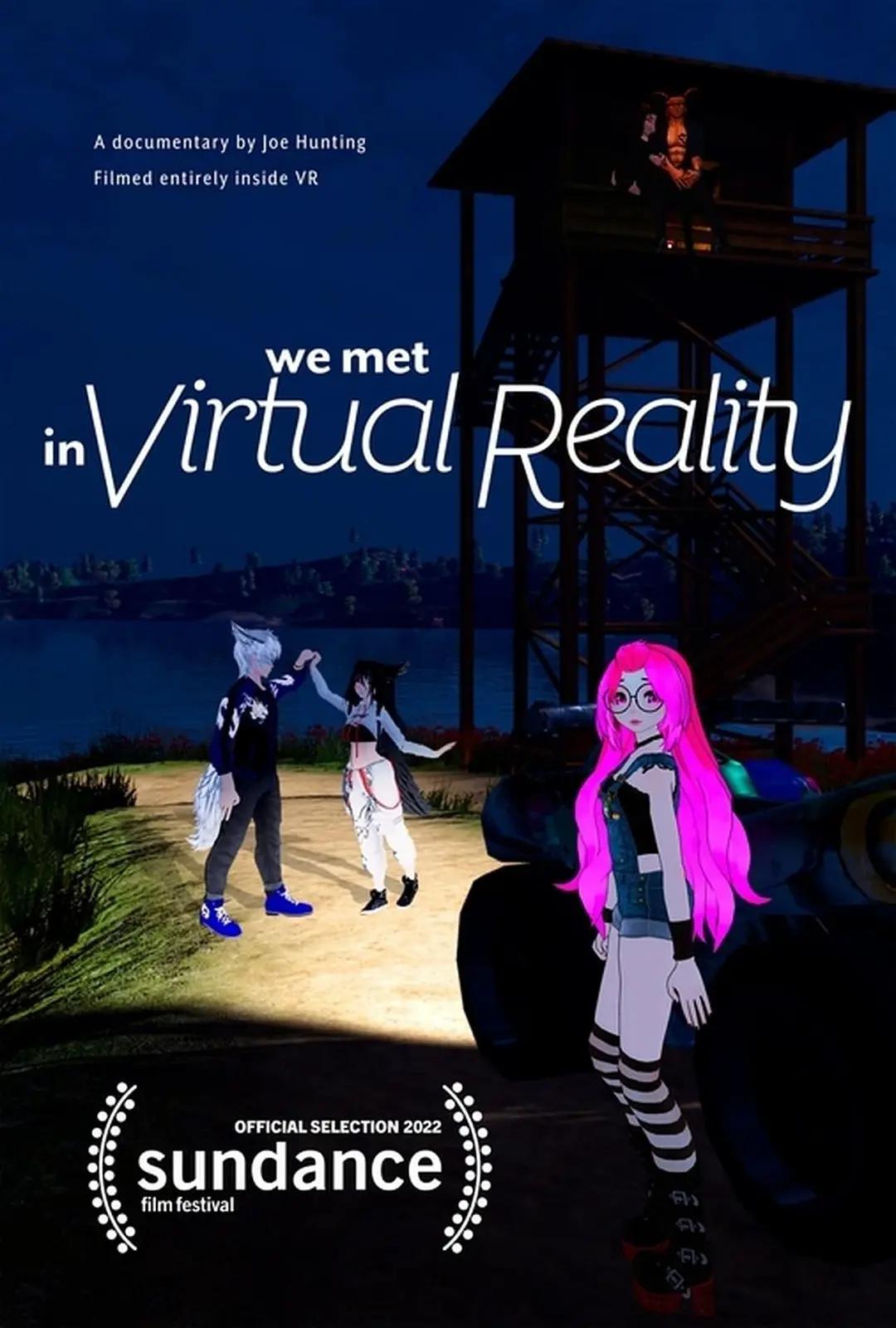
对于许多人而言,虚拟现实如想象世界般遥不可及。在这部开创性的作品中,首次执导长片的乔·亨廷带着令人惊喜的温柔,检视着这一人类交往的新领域。他聚焦于疫情期间在虚拟现实中相识的多对情侣,以浪漫为主线,对于技术、边界与想象力展开了探索。作为在视觉体验上最独特、形式上最精彩的疫情纪实影像之一,《我们在虚拟现实中相遇》有力地见证着创造力所能缔造的人际联结的新途径。从肚皮舞、手语课程到激烈的台球比赛,一切都为这片陌生空间带来了意想不到的熟悉感。
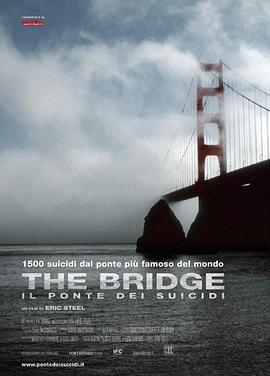
这是一部关于死亡的记录片。导演历时一年用摄影机记录下了来到金门大桥——全美最热门的自杀圣地——自杀的各色人等。有的人翻过围栏直接往下跳,有的人犹豫不决,被路人救下;有的人往下跳的一刻,忽然不想死了,奋力自救……这些自杀人群的家属们的反应也各个不一。通过这部影片,你会看到最接近死亡的一刻,看到金光闪闪的大桥下的芸芸众生。
传奇教练法蒂赫·特里姆讲述了他的足球生涯:从球员时期到担任教练并带领数支球队荣获冠军
佐伊:BBC 醞釀已久的奧茲奧斯本紀錄片終於將登陸電視螢幕。《奧茲奧斯本:回家》將講述這位標誌性的黑色安息日創始人人生的最後一章,他的妻子莎倫和孩子傑克和凱利也參與了製作。奧斯本過世後,《Deadline》兩週前透露,BBC 正就其未來走向進行討論。
The Power of Emotion explains that emotion isn't to be confused with sentimentality. Emotion is ancient and more powerful than any art form. The film looks at young couples who run into difficulties as they try to translate their experiences of love into clear decision-making. A woman who has shot her husband provides a judge with a puzzle. Those who love can bring the dead back to life by means of co-operation. That's the focus of the opera, "The Power Plant of Emotions" and the "Opera of the 20th Century" cinema. Alexander Kluge: The Power of Feeling When I started working on The Power of Feeling, I was not in a rational state. I did not say, I have a subject and now I will make a film about it. Instead I was spellbound and observed in my direct surroundings, for example, how feelings move. I have not really dealt with the theme of my mother's death and the fact that she was the one who taught me "how feelings move." Nor have I dealt with how she died. That was an entire palette of feelings: "All feelings believe in a happy end," and everyone believes tacitly that they will live forever: The entire palette is somehow optimistic, a positive attitude towards life having been put on the agendaas long as she was young, as long as her body held out, from one day to the next she collapsed. She just suddenly collapsed, like in an opera where disaster takes the stage in the fifth act. It felt as if I had observed an air raid or a disaster. The film The Power of Feeling is not about feelings, but rather their organization: how they can be organized by chance, through outside factors, murder, destiny; how they are organized, how they encounter the fortune they are seeking.What is all this organization of feelings about? Generally feelings tend to be a dictatorship. It is a dictatorship of the moment. The strong feeling I am having right now suppresses the others. For thoughts this would not be the case. One thought attracts others like a magnet. People therefore need affirmation by other people to be sure about their own feelings (to counteract the acquisition of their feelings through outside forces). Through the interaction of many people, for example, in public, the various feelings also have a magnetic attraction to one another just like thoughts do. Feelings communicate through their manifestation in public. The cinema is the public seat of feelings in the 20th century. The organization is set up thusly: Even sad feelings have a happy outcome in the cinema. It is about finding comfort: In the 19th century the opera house was the home to feelings. An overwhelming majority of operas had a tragic end. You observed a victim. I am convinced that there is a more adventuresome combination: Feelings in both the opera and traditional cinema are powerless in the face of destiny's might. In the 20th century feelings barricaded themselves behind this comfort, in the 19th century they entrenched themselves in the validity of the lethal seriousness.